

MONUSCO—Protection of Civilians: Three recommended improvements
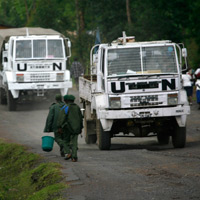
Although civilian protection is stated to be the highest priority of the United Nations peacekeeping mission in the Democratic Republic of Congo, MONUSCO, the mission continually struggles to fulfill this mandate. Overall, the failure of the U.N. to deal with the FDLR, as a major factor in regional instability, allows for the eastern Congo crisis to fester. The optimal longer term alteration in MONUSCO’s mandate would be to empower and support it, in coordination with other actors in the region, to end the FDLR threat along the lines of the Ituri “Artemis” model. Given MONUSCO’s current mandate on civilian protection, ...
5 Stories You Might Have Missed This Week

A weekly round-up of must-read stories, posted every Friday ...
Under Pressure to Welcome Bashir, Malawi Turns Down Privilege of Hosting A.U. Summit
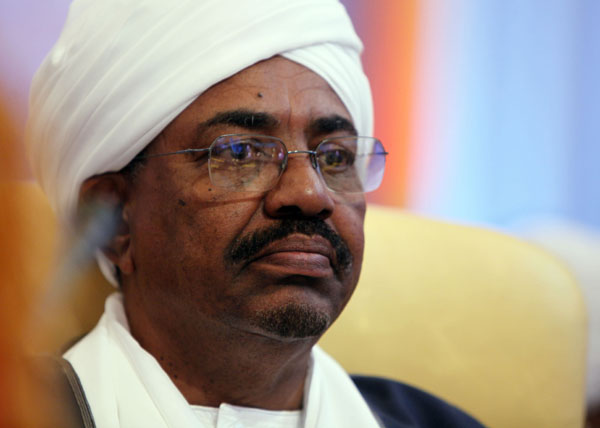
Malawi is a small, land-locked country of about 16 million people that rarely plays a large role international politics. However, under its new leadership, Malawi is taking a stand for international justice. Malawi has refused to give in to the African Union’s demands and will not welcome Sudanese President Omar al-Bashir to the A.U.’s annual summit, which was slated to take place in the Malawian capital of Lilongwe ...
U-Turn: Time for Washington and London to Change Rwanda Policy
Recent reports by Human Rights Watch and the United Nations have uncovered a scandal in central Africa: that Rwanda has allegedly been aiding and abetting the M-23 rebellion in neighboring Democratic Republic of Congo with recruits, weapons, and ammunition. If proven true, these allegations are in violation of several international laws and agreements. In response to these allegations, the Enough Project released this statement ...
South Sudan’s Jonglei Finds Calm but Root Causes of Bitter Violence Persist
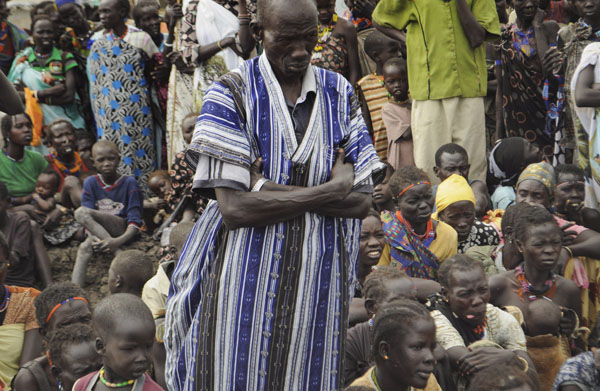
Violence has sharply decreased between warring groups in the volatile state of Jonglei, according to the governor. Whether this positive trend will last depends on the factors driving the apparent decline in intercommunal clashes, and even those who commend the government’s effort say many of the underlying causes for the violence are yet to be addressed ...
U-Turn: Time for U.S., U.K. to Change Rwanda Policy
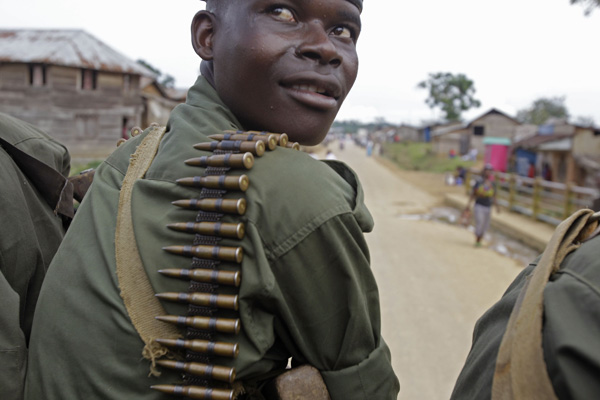
Evidence is mounting that Rwanda is supporting the new rebellion in eastern Congo, the M23, with recruits, weapons, and ammunition. The U.N., U.S., and U.K. should immediately make public their understanding of the role of Rwanda in the conflict in eastern Congo and the extent of their bilateral and multilateral relations with that country ...
Khartoum’s Pattern of Neglect Continues in Eastern Sudan as Government Expels Aid Groups
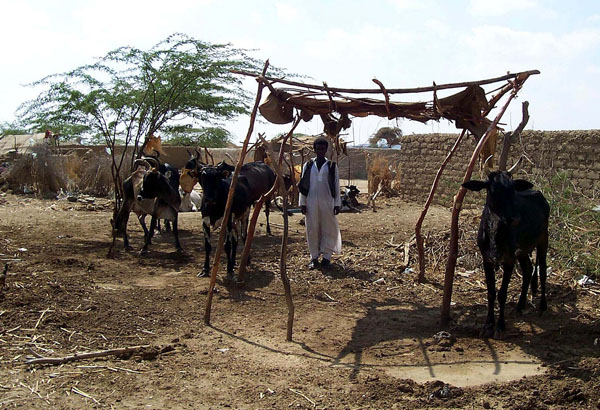
The Sudanese government has banned at least four foreign humanitarian agencies from working in the eastern region of the country. The decision last week by the Sudanese Humanitarian Affairs Commission, or HAC, to suspend projects in the deeply impoverished East is yet another example of Khartoum’s continued pattern of obstruction and neglect of peripheral areas ...
One Year Later, Sudan Continues to Target Civilians in South Kordofan
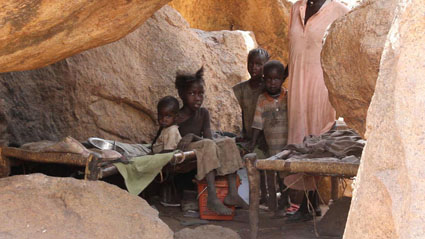
While many Sudan observers are looking ahead to South Sudan’s first birthday in July, there is another, less auspicious, anniversary to commemorate. Today, June 5, marks one year since the beginning of hostilities in South Kordofan state ...
5 Stories You Might Have Missed This Week

A weekly round-up of must-read stories, posted every Friday ...
TIMELINE: Tracking Compliance with U.N. Security Council Resolution 2046
The Enough Project has produced an interractive timeline and tracker table to track the compliance of Sudan, South Sudan, and the Sudan People’s Liberation Movement-North's, or SPLM-N's, compliance with the United Nations Security Council Resolution 2046 ...
